
About the client
Confidential Healthcare Partner (NDA)
The client is a healthcare organisation working with medical imaging. Reviewing images manually for an initial triage pass is demanding work, and the organisation wanted to explore how a well-evaluated classification model could support its clinicians at that first stage. The engagement began with an introductory call and a structured discovery session, followed by a scoped proposal.
The challenge
What needed to change
The healthcare partner relied on manual review for the initial triage of medical images, sorting them into diagnostic categories: cancer, non-malignant tumour and normal. It wanted to introduce automated classification to support that first pass. In a clinical setting, however, an automated model is only as useful as the confidence that can be placed in it. A single aggregate accuracy figure can conceal weaknesses in particular categories, and a model that performs well on the data it was trained on may not generalise. The partner therefore needed more than a working classifier: it needed a model whose behaviour was understood class by class, with clear evidence of where it performed well, where it confused categories, and whether it was overfitting to its training data.
The approach
How VulcanTech delivered
- 01
Prepare the imaging data
VulcanTech established a preprocessing pipeline using OpenCV so that medical images were prepared consistently before reaching the model, giving training and evaluation a dependable, uniform input.
- 02
Design the model
The team designed a convolutional neural network in Keras and TensorFlow, built from convolutional blocks with max-pooling, an architecture well suited to classifying medical images by visual features.
- 03
Train and monitor
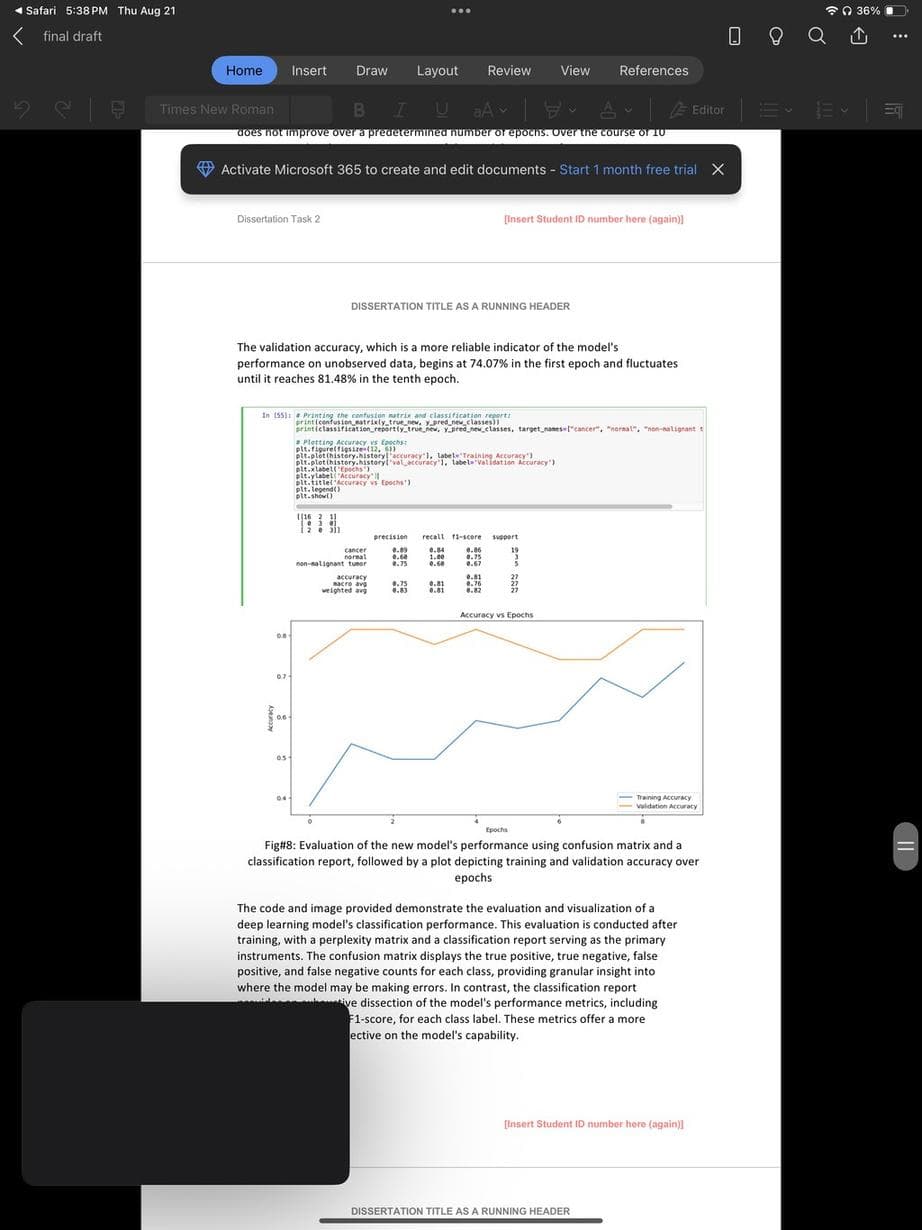
The model was trained while validation accuracy was tracked against training accuracy at each epoch, providing an early and continuous signal of any tendency to overfit the training data.
- 04
Evaluate per class
Performance was then assessed with a confusion matrix and a full classification report covering precision, recall and F1-score, rather than relying on a single headline accuracy figure.
The solution
What was delivered
VulcanTech built and trained a convolutional neural network that classifies medical images into three diagnostic categories: cancer, non-malignant tumour and normal. Images are preprocessed with OpenCV before classification, and the model itself is a Keras and TensorFlow CNN built from convolutional blocks with max-pooling. During training, validation accuracy was tracked alongside training accuracy to detect overfitting, with the model reaching 81.48% validation accuracy at epoch 10. Evaluation went beyond that headline figure. A full classification report sets out precision, recall and F1-score for each category, and a confusion matrix shows exactly which classes the model confuses with one another, giving the partner a transparent, category-level understanding of the model's strengths and limitations.
Capabilities
Inside the platform
Image preprocessing
OpenCV pipeline preparing medical images consistently for classification.
CNN classification
Keras and TensorFlow convolutional network classifying images as cancer, non-malignant tumour or normal.
Overfitting monitoring
Validation accuracy tracked against training accuracy throughout model training.
Per-class metrics
Precision, recall and F1-score reported for each diagnostic category.
Confusion matrix
Shows precisely which categories the model confuses with one another.
Triage support
Automated first-pass classification to support, not replace, manual review.
The impact
Business outcomes
Measured model performance
The model reached 81.48% validation accuracy at epoch 10, with training monitored for overfitting.
Transparent evaluation
Per-class metrics and a confusion matrix show where the model is reliable and where it needs caution.
Support for triage
Automated classification gives clinicians an additional input for the initial review of medical images.
- 81.48% validation accuracy at epoch 10, tracked against training accuracy to detect overfitting
- Per-class precision, recall and F1-score for cancer, non-malignant tumour and normal categories
- A confusion matrix identifying exactly which categories the model confuses
Technologies
- Keras
- TensorFlow
- OpenCV
More customer stories
Explore related work
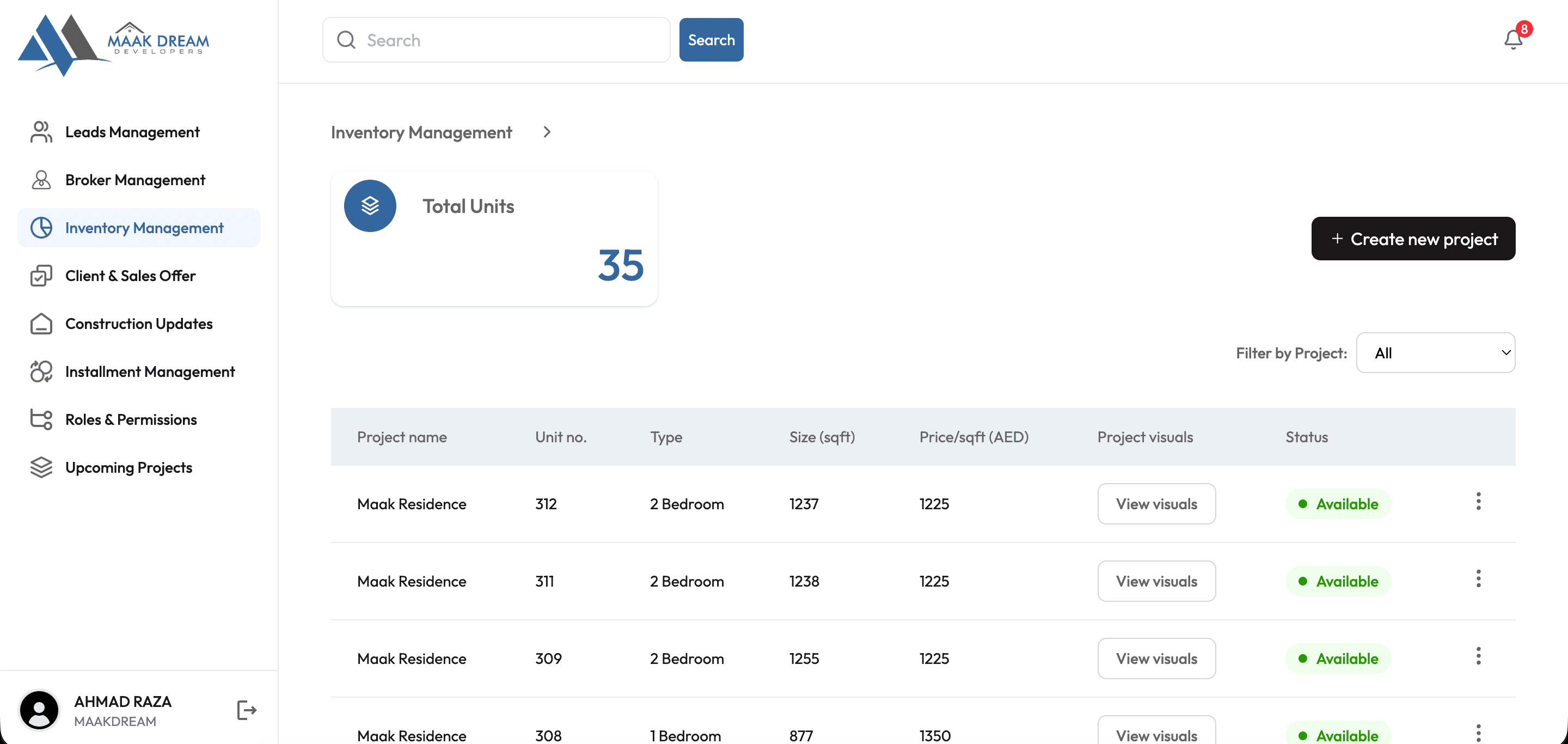 Real Estate & Construction · United Arab EmiratesMaak Dream Developers runs sales, inventory and delivery on one governed platformMaak Dream DevelopersRead the story
 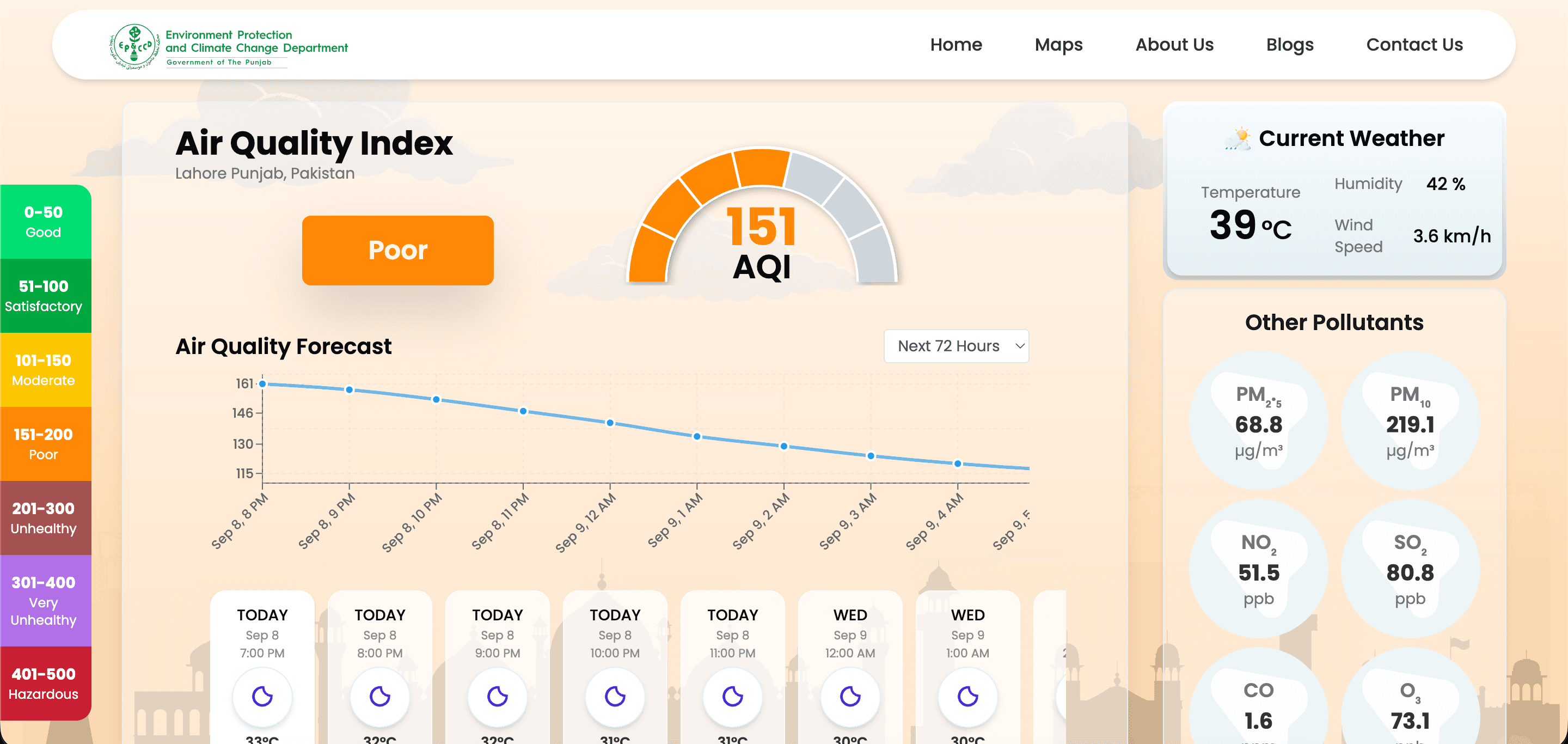 Public tenderPublic Sector & Government · PakistanPunjab's environment department gives citizens live, forecast-led air-quality intelligenceEPCCD, Government of the PunjabRead the story
 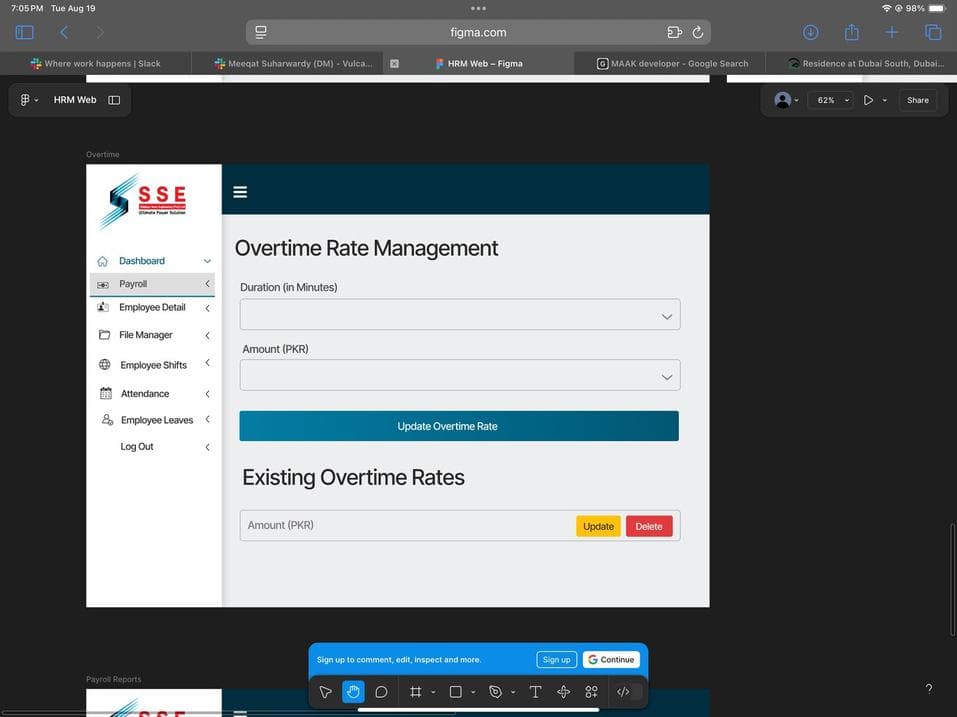 Manufacturing & Industrial · PakistanSiddique Sons Engineering moves HR and payroll onto a single system of recordSiddique Sons Engineering (Pvt) LtdRead the story
Free discovery session
Planning a similar programme?
Tell us what you're building. You'll hear back from an engineer, not an inbox.
- 1We reply within one business day to set up a 30-minute call.
- 2A senior engineer — not a salesperson — walks through your problem.
- 3You get a scoped proposal with timeline and cost. No obligation.
New projects & sales
[email protected]Existing clients & support
[email protected]